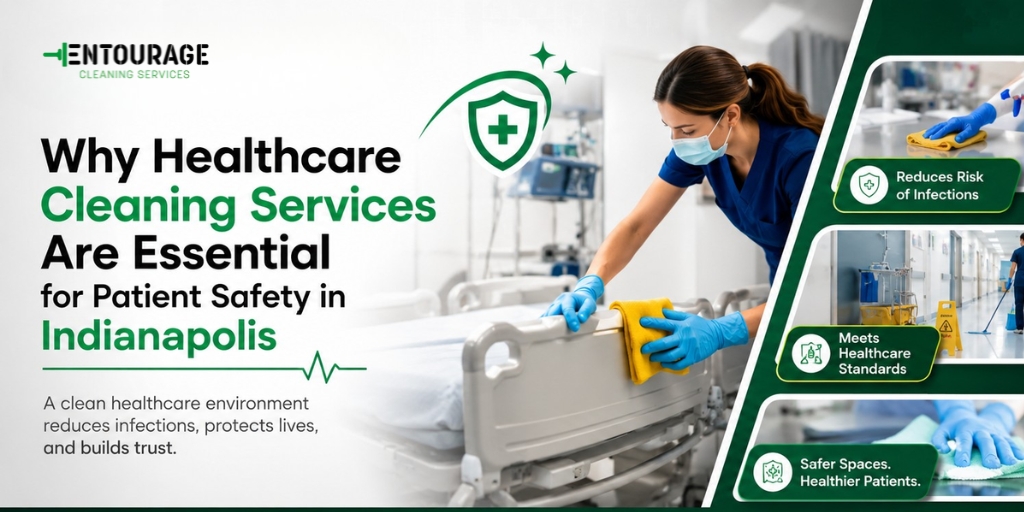
When patients visit a healthcare facility, they expect more than quality medical treatment—they expect a safe and hygienic environment. From hospitals and outpatient clinics to dental offices and urgent care centers, cleanliness directly impacts patient health, staff safety, and overall trust in the facility.
In Indianapolis, healthcare providers serve thousands of patients every day. With constant foot traffic, shared spaces, and high-touch surfaces, healthcare facilities face a higher risk of contamination than most commercial properties. A single missed cleaning procedure can contribute to the spread of bacteria, viruses, and other harmful pathogens.
This is why professional Healthcare Cleaning Services have become an essential part of modern healthcare operations. Unlike standard janitorial cleaning, healthcare cleaning follows strict sanitation protocols designed to reduce infection risks and support patient safety. Proper cleaning and disinfection help healthcare facilities maintain compliance, improve patient confidence, and create healthier environments for everyone who enters the building.
Whether it is a large hospital or a small medical practice, investing in specialized cleaning services is one of the most effective ways to protect patients and maintain a high standard of care.
Why Cleanliness Matters in Healthcare Facilities
Healthcare facilities are unique environments where people with illnesses, injuries, and weakened immune systems come together. Because patients may already be vulnerable to infection, maintaining a sanitary environment is critical.
Every day, patients touch waiting room chairs, reception counters, door handles, elevators, and examination tables. Without proper cleaning and disinfection, these surfaces can become breeding grounds for harmful microorganisms.
Professional Healthcare Cleaning Services focus on reducing these risks through systematic cleaning procedures that target both visible dirt and invisible pathogens.
How Poor Cleaning Can Impact Patient Safety
| Risk Factor | Impact on Patients and Staff |
| Contaminated surfaces | Increased risk of infection transmission |
| Poor restroom sanitation | Spread of bacteria and viruses |
| Unclean waiting areas | Cross-contamination among visitors |
| Dust and airborne particles | Respiratory irritation and allergies |
| Inadequate disinfection | Higher risk of healthcare-associated infections |
For healthcare providers in Indianapolis, maintaining a clean facility is not just about appearance—it is a critical component of patient care.
Understanding Healthcare-Associated Infections (HAIs)
One of the primary reasons healthcare facilities invest in professional Healthcare Cleaning Services is to reduce healthcare-associated infections (HAIs).
HAIs are infections that patients acquire while receiving treatment in a healthcare setting. These infections can lead to extended recovery times, additional medical expenses, and serious health complications.
Although healthcare providers follow strict medical protocols, environmental cleanliness remains one of the most important factors in infection prevention.
Areas Most Vulnerable to Germ Contamination
- Patient examination rooms
- Waiting areas
- Reception desks
- Door handles
- Restrooms
- Medical equipment surfaces
- Staff workstations
- Break rooms
Regular cleaning and disinfection of these spaces significantly reduce the likelihood of pathogen transmission.
The Difference Between Standard Cleaning and Healthcare Cleaning
Many people assume all commercial cleaning services provide the same level of sanitation. However, healthcare facilities require specialized cleaning procedures that go far beyond routine office cleaning.
Standard Cleaning vs. Healthcare Cleaning Services
| Standard Commercial Cleaning | Healthcare Cleaning Services |
| Focuses on appearance | Focuses on infection prevention |
| General cleaning products | Hospital-grade disinfectants |
| Basic cleaning schedules | Strict sanitation protocols |
| Limited high-touch surface attention | Frequent disinfection of critical touchpoints |
| Suitable for offices and retail spaces | Designed specifically for healthcare environments |
Healthcare cleaning professionals are trained to identify high-risk areas and follow industry-approved disinfection procedures that help protect patients and healthcare workers.
Protecting High-Risk and Vulnerable Patients
Not all patients have the same level of immunity. Many individuals receiving medical treatment may be recovering from surgery, undergoing chemotherapy, managing chronic illnesses, or dealing with age-related health concerns.
These patients are particularly vulnerable to infections that might seem minor to healthy individuals.
Professional Healthcare Cleaning Services help create safer environments by:
- Eliminating harmful bacteria from treatment areas
- Reducing contamination on high-touch surfaces
- Maintaining cleaner air quality
- Preventing cross-contamination between patients
- Supporting infection control programs
A clean healthcare facility plays a direct role in helping vulnerable patients recover safely and comfortably.
Building Trust Through a Clean Healthcare Environment
First impressions matter in healthcare. Patients often evaluate the quality of a facility before they even meet a healthcare provider.
Imagine entering a medical office and noticing dirty floors, overflowing trash bins, or unclean restrooms. These conditions can quickly reduce patient confidence and raise concerns about overall care standards.
On the other hand, a clean and organized facility communicates professionalism, attention to detail, and a commitment to patient well-being.
Patients are more likely to trust healthcare providers when they see:
- Clean waiting rooms
- Sanitized examination rooms
- Fresh-smelling facilities
- Well-maintained restrooms
- Spotless floors and common areas
Professional Healthcare Cleaning Services help healthcare facilities maintain the level of cleanliness patients expect.
Supporting Healthcare Staff Productivity and Safety
Healthcare professionals work in demanding environments where safety and efficiency are critical. A properly cleaned workplace helps protect doctors, nurses, technicians, and administrative staff from unnecessary exposure to harmful germs.
Benefits for healthcare staff include:
- Reduced risk of workplace illness
- Healthier working conditions
- Improved morale
- Lower absenteeism
- Increased focus on patient care
When employees feel confident that their workplace is properly maintained, they can concentrate on delivering quality healthcare services rather than worrying about sanitation concerns.
The Role of Healthcare Cleaning in Regulatory Compliance
Healthcare facilities must meet strict cleanliness and sanitation requirements. Regulatory standards are designed to ensure patient safety and reduce environmental risks.
Professional Healthcare Cleaning Services support compliance by implementing:
- Documented cleaning procedures
- Consistent sanitation schedules
- Proper disinfectant usage
- High-touch surface disinfection protocols
- Detailed quality control processes
Maintaining compliance not only protects patients but also helps healthcare organizations avoid operational challenges and maintain their professional reputation.
Why Indianapolis Healthcare Facilities Need Specialized Cleaning Services
Indianapolis is home to a growing healthcare sector that includes hospitals, specialty clinics, outpatient centers, rehabilitation facilities, and private medical practices. With increasing patient volumes, maintaining high sanitation standards has become more important than ever.
Healthcare facilities in Indianapolis require cleaning partners who understand:
- Infection prevention practices
- Healthcare industry requirements
- High-touch surface management
- Patient privacy considerations
- Consistent cleaning documentation
Professional Healthcare Cleaning Services provide the expertise and resources needed to maintain these standards while allowing healthcare providers to focus on delivering exceptional patient care.
Choosing the Right Healthcare Cleaning Partner
Not all cleaning companies have experience working in healthcare environments. When selecting a cleaning provider, healthcare facilities should look for:
- Experience in medical facility cleaning
- Trained healthcare cleaning professionals
- Use of hospital-grade disinfectants
- Flexible cleaning schedules
- Quality assurance programs
- Consistent communication and reporting
Working with a trusted healthcare cleaning company ensures that sanitation remains a priority every day.
Conclusion
Patient safety begins long before treatment starts. It begins with a clean, sanitized, and properly maintained healthcare environment. From preventing healthcare-associated infections to protecting vulnerable patients and supporting healthcare staff, professional Healthcare Cleaning Services play a vital role in modern healthcare operations.
For healthcare facilities across Indianapolis, investing in specialized cleaning services is not simply a maintenance decision—it is a patient safety strategy. Clean facilities inspire confidence, improve operational efficiency, and help create healthier environments for everyone.
As healthcare standards continue to evolve, professional Healthcare Cleaning Services remain one of the most effective tools for maintaining safety, compliance, and excellence in patient care.